
RevengeIdeas
Served Cold
On St Brice’s Day, 1002, the King of England tried to erase his Viking problem in a single afternoon of slaughter. He should have counted the dead more carefully — among them, it was later said, was the sister of the King of Denmark, who took the next eleven years, and then the whole kingdom, in reply.
England at the turn of the first millennium was a wealthy country with a weak king and a very long memory of Viking sails. For two centuries Scandinavian fleets had come for its silver, its monasteries, and its coastline, and the eastern and northern shires — the old Danelaw — were thick with families of Danish descent who had settled, farmed, and stayed. Over them ruled Æthelred II, crowned in 978 as a boy after the murder of his half-brother Edward, an inheritance that hung over his reign like a stain. History knows him as Æthelred the Unready, but the nickname is a later pun, not a comment on his alertness: his name means “noble counsel,” and Unræd means “ill-counselled” — the well-advised king who somehow never took good advice. By the 990s the raids that had quietened for a generation came back in force, and Æthelred’s answer was the worst possible one: he paid. The Danegeld — vast tribute raised by taxing his own people — bought the raiders off for a season and taught them exactly where to return. England was a treasury that paid burglars to leave and left the windows open. Across the North Sea sat a colder, harder kind of king. Sweyn Forkbeard — Sweyn I of Denmark, son of Harald Bluetooth, whom he had deposed — was a Viking of the old raiding world and the new royal one at once. He had already taken English silver and English measure on earlier voyages. He was patient, organised, and entirely capable of waiting for the right reason to come back not for plunder, but for the country itself. Sweyn had learned the English coast young: a decade earlier, in the 990s, he had sailed on the great raids that culminated in the attack on London in 994, and he knew the country’s wealth, its rivers, and its habit of paying rather than fighting. When the reason came, he would not waste it on plunder.
On 13 November 1002, the feast of St Brice, Æthelred gave one of the most notorious orders in English history. The Anglo-Saxon Chronicle records, with chilling brevity, that the king commanded all the Danish men who were in England to be slain — because, it was said, he had been warned that they meant to kill him and seize the kingdom by treachery. It was a panic dressed as policy: a king who could not beat the Vikings abroad deciding to murder the ones who lived among his own subjects. How widely the order was obeyed is unknowable. In the Danelaw, where Danes were the majority and often the local power, it can have amounted to little more than menacing words. But in the English towns it was real and it was savage. The best-documented horror is Oxford, and we know it because Æthelred himself described it: in a charter of 1004 granting the rebuilding of the church of St Frideswide, he set down in plain Latin how Danes had fled into the church and bolted its doors, and how the townspeople, unable to force them out, had burned the building down with the people inside. The ground has since spoken too. In 2008, builders at St John’s College, Oxford uncovered a mass grave of around three dozen young men, killed by repeated blows and showing signs of burning, radiocarbon-dated to exactly this period; many scholars link them directly to St Brice’s Day. A second mass grave at Ridgeway Hill near Weymouth — some fifty decapitated Scandinavian men — belongs to the same violent generation, though whether it records a massacre or the execution of a captured raiding crew is still debated. By the most repeated account, recorded a generation later by the Norman chronicler William of Jumièges, one of the dead was Gunhilde, a sister of Sweyn Forkbeard, killed along with her husband and son after being held as a hostage for the peace. Modern historians treat the detail cautiously; it may be later dramatisation. But whether or not Sweyn lost a sister that day, Æthelred had handed him something more dangerous than grief — a grievance the entire Viking world would recognise as just.
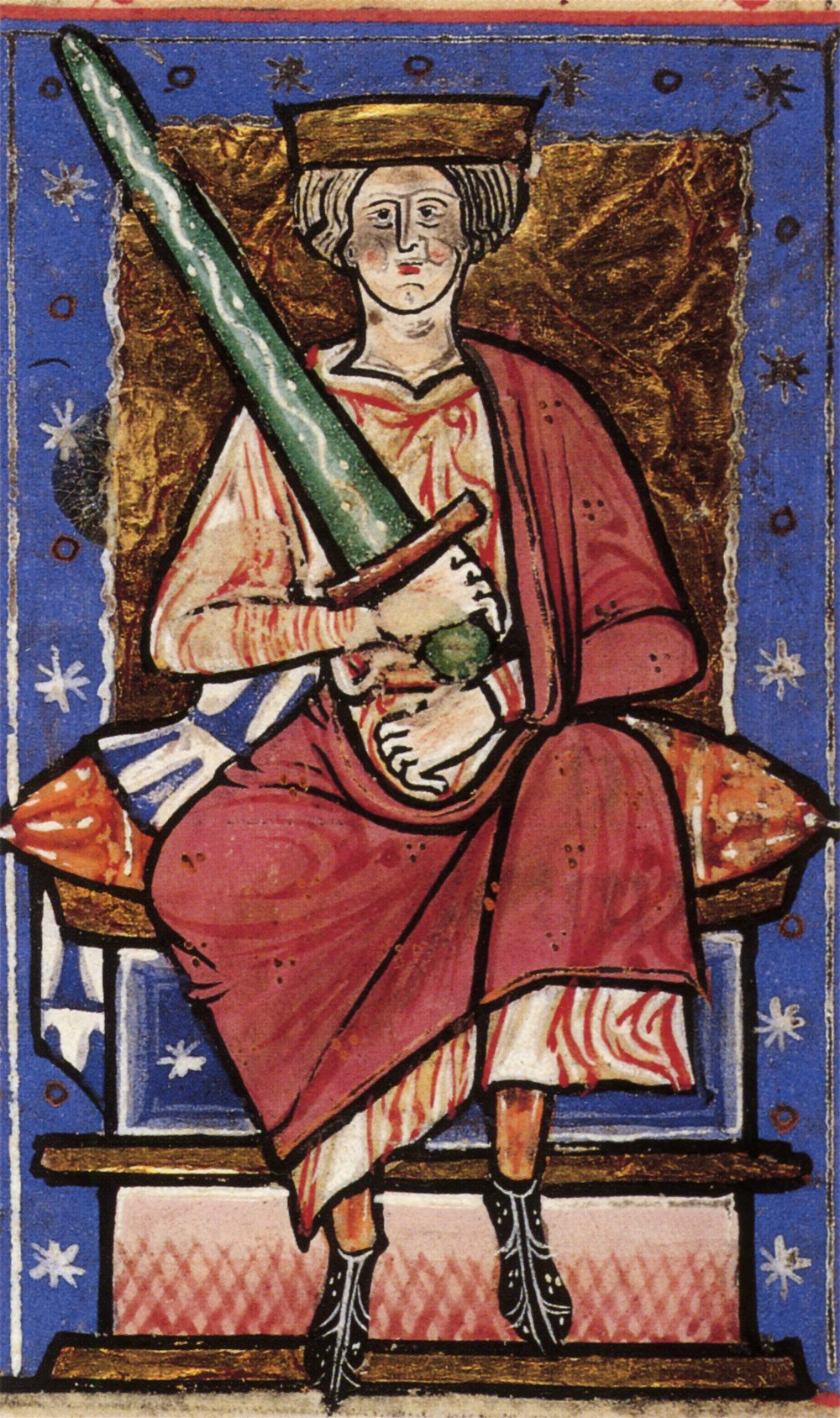
Sweyn did not come the next spring with fire in his eyes. Great revenges are rarely so tidy. He came the spring after, and the one after that, and then he simply kept coming, year upon year, until England’s exhaustion did half his work for him. In 1003 Exeter fell and Wiltshire was ravaged, Wilton and Salisbury with it. In 1004 it was Norwich and Thetford in East Anglia. Famine forced a pause in 1005, but the fleets always returned, and the English strategy never changed: raise the Danegeld, pay the Danes to go, and watch them sail home richer and bolder, certain of a warm welcome next time. The sums grew obscene — thirty-six thousand pounds of silver in 1007, forty-eight thousand in 1012 — a tribute so vast it became a permanent tax that outlived the crisis by generations. From 1009 a separate great army under Thorkell the Tall scourged the south. In 1011 it took Canterbury and seized the archbishop, Ælfheah. When he forbade his own people to ransom him, his drunken captors pelted him to death at a feast in 1012 with ox bones and the butt of an axe — the murder of an archbishop, a crime that horrified even the men who did it. Thorkell, sickened or simply calculating, changed sides and took service with Æthelred. For eleven years England had been bled white, its silver shipped to Denmark, its towns burned, its prelate martyred. The country was demoralised, broke, and leaderless in every way that mattered. Sweyn had not forgotten St Brice’s Day; he had been answering it the whole time. In 1013 he stopped raiding. He came to conquer. The pattern was older than Sweyn’s war — it reached back to the disaster at Maldon in 991, where the ealdorman Byrhtnoth had let a Viking host cross a causeway to fight fairly and died for his courtesy, after which the first great Danegeld was paid. England had been buying time for over twenty years, and time was the one thing the buying never produced.
Sweyn’s campaign of 1013 reads less like a raid than an annexation carried out by a man who had studied the country he meant to own. He landed at Sandwich, then sailed north to the Humber and up the Trent to Gainsborough, and there made his first masterstroke: he went to the Danelaw first. The people most like his own — Northumbria, the men of Lindsey, the Five Boroughs, everything north of Watling Street — submitted to him almost at once. He took their hostages, provisioned his army on their land, and only then turned south against English England. The submissions fell like dominoes. Oxford yielded — the very town of the church-burning, paying its account at last. Winchester, the ancient royal capital, opened its gates without a fight. Only London held out, with Æthelred and Thorkell inside it and the bridge over the Thames denying him the crossing, and for once the Vikings were beaten back. So Sweyn did the patient thing once more: he ignored London and went around it. He marched west, took Bath, received the submission of the western thegns, and left the capital isolated in a kingdom that had already changed kings around it. London, surrounded and abandoned, gave up rather than be destroyed. Æthelred sent his sons across the Channel to Normandy, then his wife Emma — sister of the Norman duke — and at last followed them into exile himself. Before the end of 1013, Sweyn Forkbeard was acknowledged king of all England. The grievance of St Brice’s Day had been answered in the only currency that ever truly settles such a debt between kings: the kingdom itself. It was a campaign of submissions more than battles: Sweyn understood that a country bled white for a decade did not need to be beaten so much as offered a stronger king, and one by one its regions decided he was the better bet.
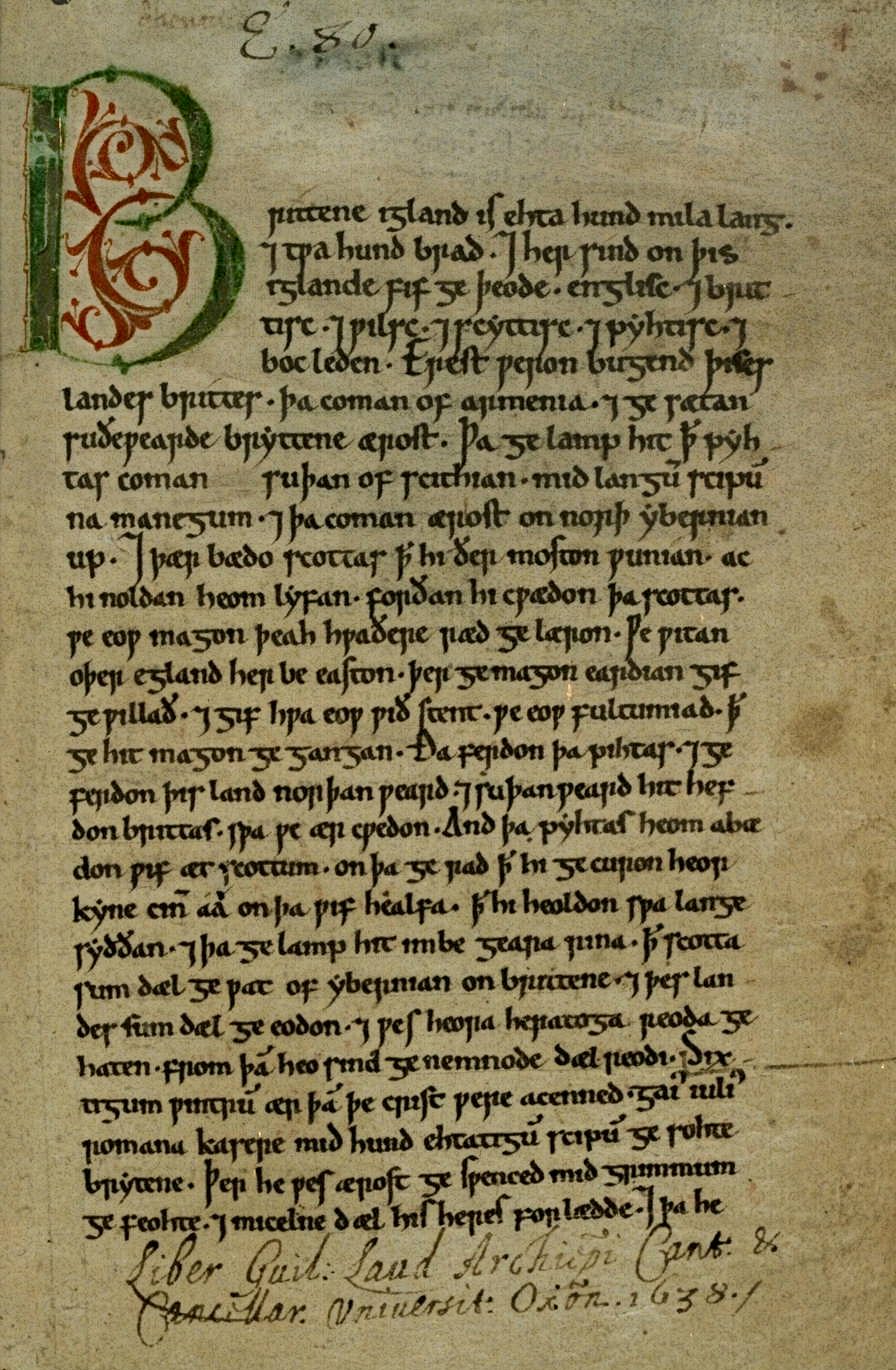
And then history played the joke it keeps in reserve for men who get precisely what they wanted. On 3 February 1014, barely five weeks after his triumph, Sweyn Forkbeard died suddenly at Gainsborough — by one account thrown from his horse, by others simply struck down in the night. He had reigned over England for a single winter. English legend, never one to waste a dead Dane, soon claimed he had been killed by the long-dead St Edmund, the East Anglian king the Vikings had martyred a century and a half before, riding out of his shrine to spear the conqueror. It was the kind of story a beaten people tells itself, and it was the closest thing to victory England had. The English moved fast. They sent across the sea to Normandy for Æthelred and took him back — “no lord was dearer to them than their natural lord,” the Chronicle notes, “if only he would govern them more justly than he had before.” It is one of the driest sentences in Old English literature: even in restoring their king, his own people could not resist reminding him that he had been a disaster. The avenger was dead, his conquest seemingly undone in a month. The revenge, it appeared, had died with the man who took it.
It had not. Sweyn left behind a son who was everything his father had been as a soldier and a colder politician besides — Cnut, the man England would learn to call the Great. The Danish fleet had proclaimed Cnut king before it sailed; the English had chosen Æthelred; and the question of which choice held was settled the Viking way. Cnut returned in 1015 and fell on a country still ruled by the same exhausted dynasty. Æthelred died in April 1016 and left the war to his formidable son Edmund Ironside, who fought Cnut to a standstill through a brutal summer of marches and pitched battles before losing decisively at Assandun in Essex. When Edmund died that November, the last barrier fell. Cnut took everything. By the end of 1016 he was king of all England; he married Æthelred’s widow Emma — the same Norman princess who had fled with her first husband — and ruled the country his father had conquered for nearly twenty years, joining it to Denmark and later Norway into a single North Sea empire. Sweyn’s revenge had simply needed a second generation to finish. The house that ordered the massacre was off the throne, and the house of the man it was meant to destroy sat on it in its place.
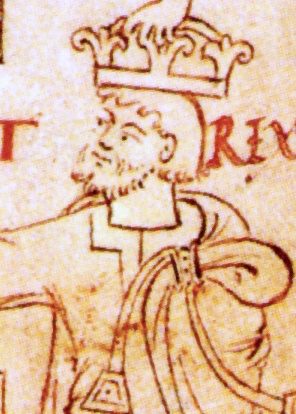
The St Brice’s Day Massacre passed into English memory as the textbook case of a frightened king making his problem immeasurably worse. Æthelred had tried to solve a war by murdering the unarmed, and the only thing he achieved was to give the strongest king in the North a cause his own warriors would die for. The archaeology keeps the day uncomfortably present — the burned young men beneath an Oxford college, the decapitated crew on a Dorset hill — a reminder that the Chronicle’s single sentence covered a great deal of real blood. The longest shadow, though, was dynastic, and it reached past Cnut entirely. Emma of Normandy — wife first to Æthelred, then to the Dane who supplanted his line — was the hinge on which the next century turned. Through her, Normandy acquired a permanent interest in the English crown. Her son by Æthelred, Edward the Confessor, eventually reigned over a restored English line; her great-nephew was William, Duke of Normandy, who pressed the Norman claim in 1066. The country Æthelred had tried to scrub clean of Northmen in a single November afternoon would be conquered by Northmen twice more within two generations — first by Sweyn’s Danes, then by Emma’s Normans — and would never again be ruled by the dynasty that gave the order.
Image: Alfred Pearse, The Massacre of St Brice's Day, 1002 (c. 1900s). Public domain, via Wikimedia Commons.
Æthelred the Unready: the king who tried to end his Viking problem in an afternoon, and spent the rest of his reign — and his entire dynasty — paying the bill.
They killed her husband, then sent ambassadors to ask her to marry their prince. She welcomed them warmly — and erased their entire people in four escalating acts of horror.
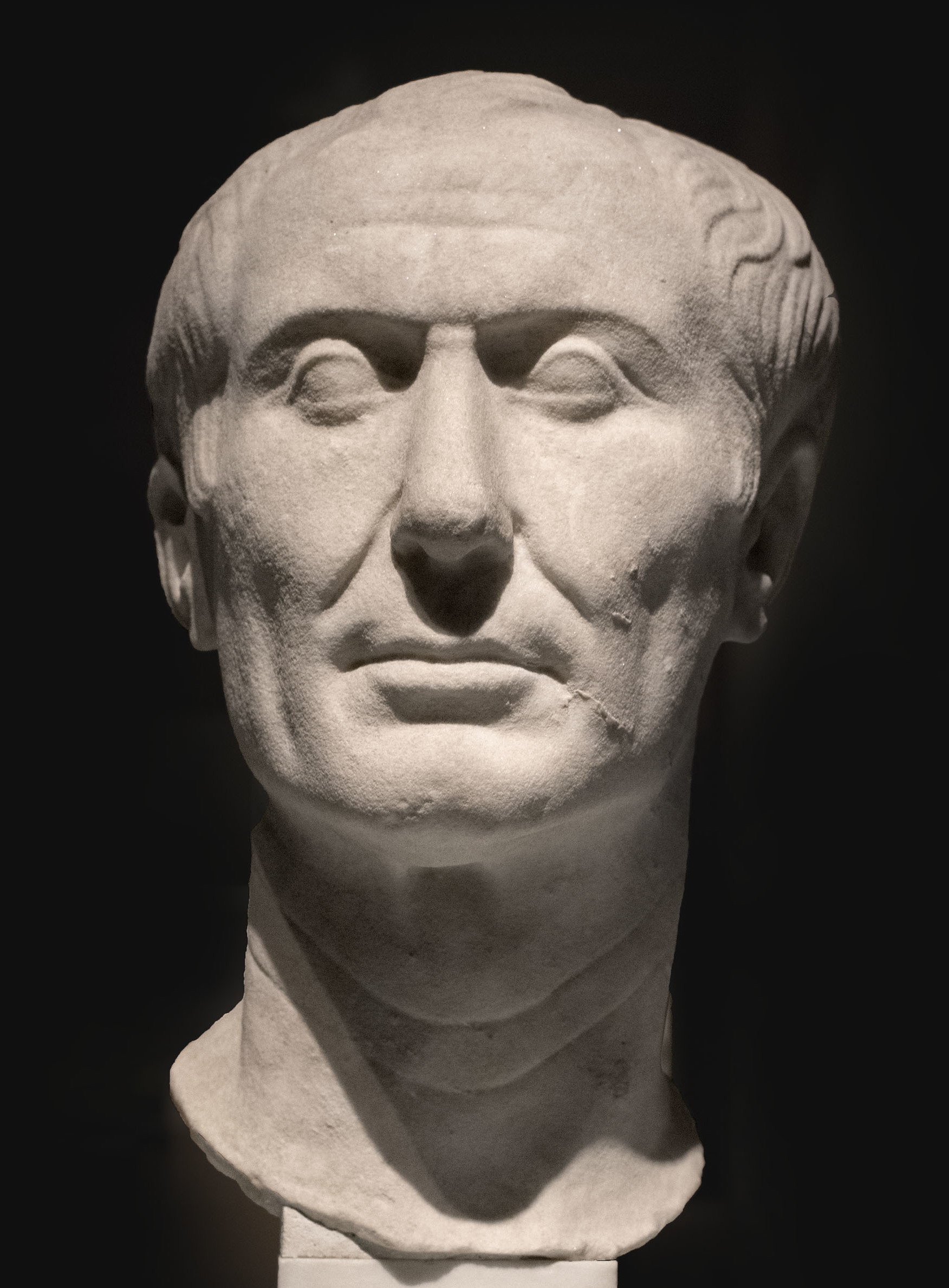
Kidnapped and held for ransom, the young Caesar told his captors exactly what he would do to them once freed. They thought it was a joke. It was not a joke.